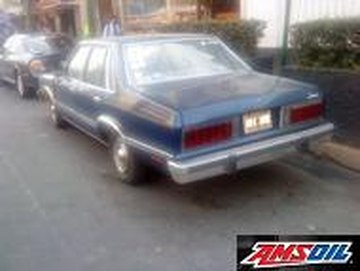
Lubrication Maintenance for the 1982 Ford FAIRMONT 4.2L
Maintaining a vehicle from the early 1980s requires a proactive approach to fluid management and mechanical inspection. For owners of the 1982 Ford Fairmont equipped with the 4.2L engine, consistent attention to lubrication systems is a fundamental aspect of long-term preservation. Because older engines operate under different wear profiles than modern counterparts, understanding how to monitor and respond to changes in lubricant condition is essential for effective ownership.
Monitoring Fluid Integrity and Potential Leaks
One of the most practical ways to assess the health of an engine is through regular visual inspections of the surrounding components. For a vehicle of this age, checking for signs of fluid seepage or leakage can provide early indications of where maintenance may be required. It is helpful to inspect various sealing surfaces and gaskets for any evidence of oil residue.
When performing these checks, look for:
- Dampness or staining on the underside of engine components.
- Accumulations of grime that may indicate a slow seepage from a gasket or seal.
- Evidence of fluid escaping near the drain area or sealing surfaces.
If any new signs of leakage appear, they should be investigated promptly. It is important to note that a visible stain can have multiple causes, ranging from a simple loose component to an aging seal that has lost its ability to hold pressure. Rather than attempting to diagnose the exact source immediately, identifying the presence of a leak allows you to plan for a more thorough inspection.
Observing Changes in Lubricant Condition
Beyond external leaks, the condition of the oil itself serves as a vital indicator of engine health. Monitoring how the lubricant behaves during regular use can help identify issues before they escalate. Owners should be aware of several key indicators that warrant closer attention:
Changes in the appearance or texture of the oil can be telling. For instance, if the oil appears significantly darker than expected shortly after a change, or if it shows signs of contamination, this may indicate that the engine is experiencing unusual operating conditions. Additionally, any unexpected increase in lubricant consumption should be noted and investigated.
Mechanical changes are also worth monitoring. If you notice unusual noises during operation, these can sometimes be associated with changes in lubrication efficiency or levels. Similarly, if the vehicle shows signs of overheating, it is prudent to check all fluid levels, as thermal management and lubrication are closely linked in engine operation. Always remember that a single symptom, such as an odor or a sound, does not definitively point to one specific failure; rather, it serves as a signal to perform a more comprehensive check of the system.
Prioritizing Maintenance Through Condition-Based Inspection
As vehicles age, the strategy for maintenance often shifts from strictly following a calendar to focusing on the actual condition of the components. For the 1982 Ford Fairmont, this means using current observations to decide which tasks require immediate attention and which can be deferred.
If you are managing a vehicle with an incomplete service history, establishing a maintenance baseline is a logical first step. This involves performing a thorough inspection of all fluids, filters, and accessible mechanical components to determine their current state. Once this baseline is established, you can better distinguish between necessary repairs and unnecessary parts replacement.
Effective prioritization involves addressing active concerns first—such as an identified leak or a change in fluid color—before moving on to general preventive maintenance. Keeping detailed records of every oil change, filter replacement, and observed inspection result will assist in identifying patterns over time. This documentation is invaluable for understanding how the engine's needs might be evolving as the vehicle continues to age.
Managing Aging Engine Components
While many components are designed for longevity, certain materials used in older vehicles may become more sensitive to environmental factors and usage over several decades. When inspecting an older 4.2L engine, it is useful to look at various subsystems with a critical eye.
If equipped, inspect accessible drive belts for signs of deterioration such as cracking, glazing, or fraying. Similarly, if the vehicle has various hoses present, check them for stiffness, bulging, or surface cracks. Electrical connections and wiring should also be inspected for any signs of corrosion or brittle insulation that could affect system performance. These inspections are most effective when performed regularly, allowing you to catch gradual changes in material integrity before they lead to a service interruption.
Effective Record Keeping for Long-Term Ownership
For the long-term owner, the history of the vehicle is as important as its current condition. Maintaining a comprehensive log of all service activities provides a clear picture of the engine's maintenance trajectory. This includes not just what was replaced, but also what was observed during inspections.
A well-maintained record helps in several ways:
- It allows you to track the frequency of oil consumption or leakage, helping to identify when a component is truly reaching the end of its service life.
- It provides clarity when attempting to diagnose new symptoms by comparing them against previous mechanical states.
- It assists in maintaining the vehicle's value by demonstrating a consistent history of care and attention to detail.
By treating maintenance as an ongoing process of observation and documentation, you can make more informed decisions about the upkeep of your 1982 Ford Fairmont.
Practical Guidance for Buying Engine Oil for the 1982 Ford FAIRMONT 4.2L
When it is time to replenish your engine's lubrication, the most important step is ensuring that the product you select matches the specific requirements of your application. To ensure proper performance and protection, match the engine oil to the application-specific viscosity information already displayed on this page.
Before making a purchase, carefully check the product labeling to verify that the oil meets the necessary quality standards for your needs. While there are many options available—including conventional, synthetic blends, and full synthetic formulations—the choice should always be guided by the specific technical data provided for your vehicle. Some high-mileage oil formulations contain additives intended for use in aging engines, including seal-conditioning additives, which may be a consideration depending on your engine's current condition. Always prioritize the viscosity and application details listed above to ensure the lubricant is appropriate for your 1982 Ford Fairmont 4.2L.